
From Generalist to Senior Animator: Alessandro Poli’s Path Through ILM, MPC and Framestore
An animation mentorship case study spanning more than a decade — from graphic design and self-taught 2D work in Italy to senior animation credits on some of the largest creature and character films of the last ten years.
The Starting Point
Alessandro did not come from an animation background. He trained and worked as a graphic designer, and his first contact with movement was 2D in Flash. From there he found his way into 3ds Max, and later into Maya during his mentorship — which is where the discipline finally clicked for him.
By that point he was already working in the Italian advertising and VFX industry, but always as a generalist who happened to animate. Self-taught, with no external check on whether his process was sound. That is the specific problem that brought him to look for a mentor.
This is a more common starting point than most animators admit. The work looks acceptable, the client accepts it, and nobody in the pipeline is qualified to tell you which of your habits will fail the moment the shot gets harder.
The Turning Point
More than ten years on, Alessandro places the shift at his first interaction shot between a dragon and a human character. Two performances, two different anatomies, contact between them, and a weight relationship that has to read frame by frame. It is a large step up from single-character exercises, and it was the first time he had attempted anything of the kind.
That mind-set matters more than the individual shot. Students who choose the exercise they already know how to solve improve slowly. Students who accept the assignment that scares them find the gaps in their process quickly, while there is still someone reviewing the work with them.
Creature-to-character interaction is one of the core shot types in the Creature Animation Course — built and reviewed pass by pass.
Learning to Use Reference
The single change Alessandro points to as the most useful is also the least glamorous: he learned how to work with reference. Until then he had never used it at all. Years of animating without it built certain instincts, but it also put a hard ceiling on the quality he could reach.
Reference is not a solved problem once you start using it. Copy it exactly and the shot becomes a rotoscope with no authorial decision in it. Ignore it and the mechanics drift. The judgement sits in between, and it has to be taught with real shots rather than described in the abstract.
The full method is written up in How to Use Animation Reference.
Where He Is Now
Before the mentorship, Alessandro freelanced in Italy for several years with Rome-based studios including Frame by Frame and Blackstone. In 2016, immediately after finishing his studies at SquashnStretch, he was hired as a junior animator at ILM London — the move that brought him to the UK. There he worked on Ready Player One and Jurassic World: Fallen Kingdom.
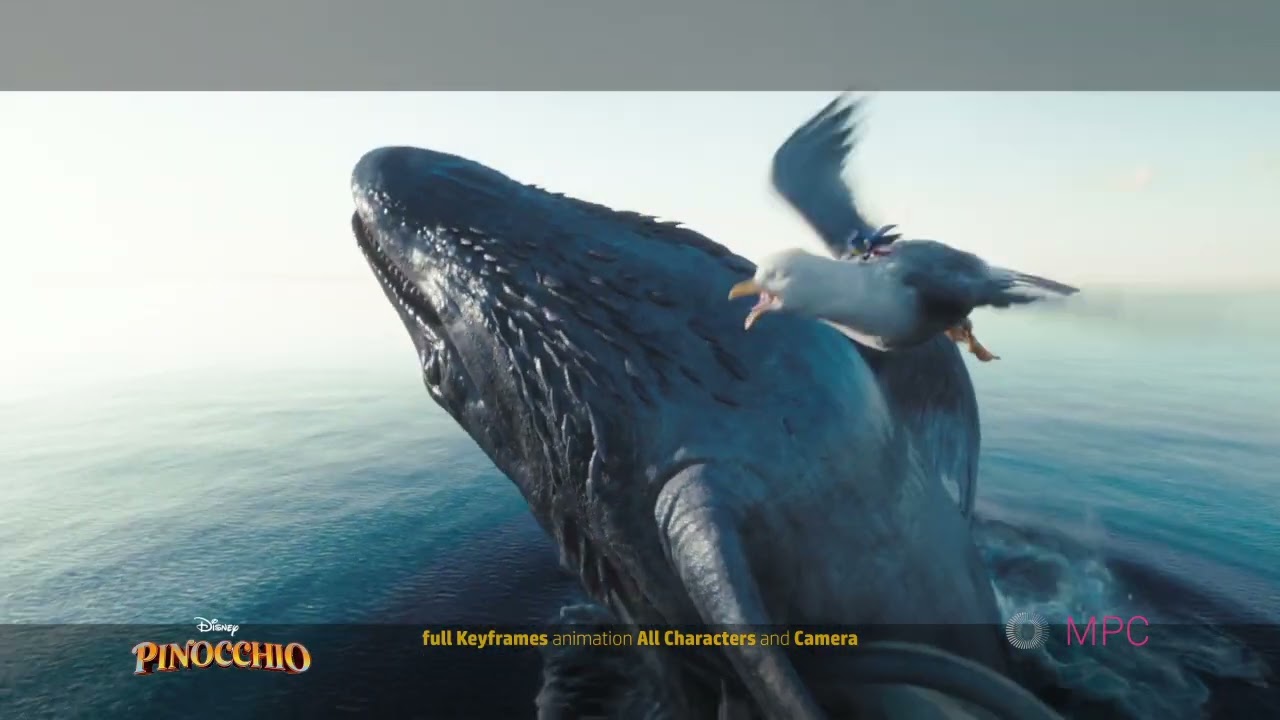
He then moved to MPC, contributing to Disney’s The One and Only Ivan, before returning to ILM for close to two years to work on Jurassic World Dominion. A second spell at MPC followed, covering Disney’s live-action Pinocchio and Mufasa: The Lion King.
In 2024 he joined Framestore, where his credits include How to Train Your Dragon, Project Hail Mary, The Fantastic Four: First Steps and Wicked: Part Two. At the end of 2025 he moved to the Canadian studio Mr. X, where he now works as a Senior Animator, fully remote from London.
A decade of creature and character work at the top end of the industry — built on a process that started with someone checking whether it was sound.
Interesting Links

Stay in the Loop
Get notified when we publish new student results and animation insights. No spam, just useful content.
You’re in! We’ll let you know when new content drops.
Want Personalised Feedback?
Submit your animation reel and get a free professional breakdown with specific notes on what to improve.
Get a Free Reel BreakdownBuild Your Own Creature Shots
In the course, you will learn to:
Animate creature-to-character interaction — handle contact, weight exchange and two competing performances in a single shot, the exact step that took Alessandro out of generalist work.
Use reference without being trapped by it — extract timing, spacing and detail from footage while keeping your own authorial choices in the performance.
Have your process checked, not just your shots — the habits that hold self-taught animators back are visible in the workflow long before they show up in the render.
Guided 1-on-1 by a lead animator from major VFX studios — with real production examples, shot breakdowns, and personalised feedback on your work.
Creature Animation Course